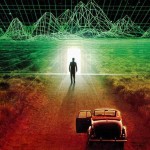
 Back in June 2009, I wrote an article titled “Proof That We’re Living a Life of Illusion.” In it, I provided what I felt was overwhelming evidence that we all live in some kind of computer simulation. I also offered some simple explanations as to why I thought we did. At the time, the people who are open to believing in such fantastical theories excitedly agreed with the premise, while those who rely on hard-core scientific proof, did not. Well, a funny thing’s happened in the years since I wrote that article. Scientists are beginning to see the evidence that the non-believers require. The question now is, whether those skeptics will decide to take the blue pill or the red pill?
 By now you have no doubt heard that according to astronomers and anthropologists, December 21, 2012 correlates to the “end” of the Mayan calendar. And, despite having repeatedly heard about this for many, many years now, it is also very probable that you still have no idea exactly what this means. The reason is because it’s very complicated. To even begin to understand it you need to look to the Mayan myths of the Sacred Tree and understand their incredibly complex Long Count calendar of tuns, k’atuns, and b’aktuns as well as their concepts of the Great Cycle, the Great Great Cycle, and cycles within cycles. You’d also need to understand astronomical occurrences involving the precession of the equinoxes and the conjunction of the sun at the intersection of the plane of the ecliptic and the Milky Way. You can do all that, or, you can simply read my interpretation of this summer’s Green Lantern movie, which shares the same message as the Mayan mythology.
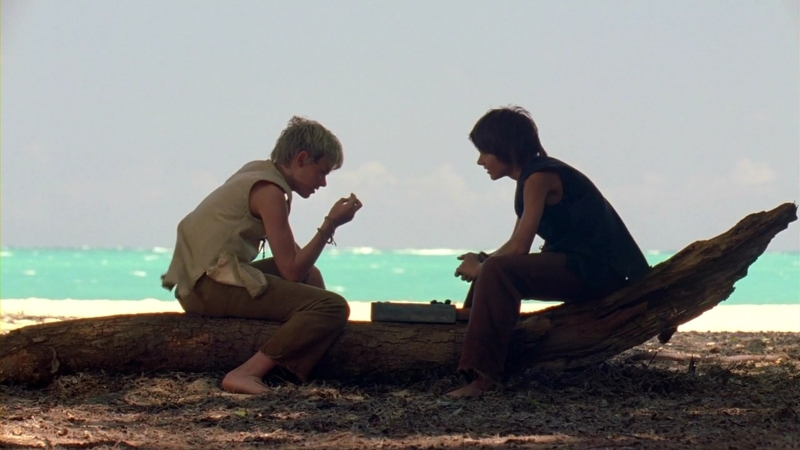
 In “Across the Sea,” Lost finally gives us the origins story for Jacob and the Man In Black. The episode was pure, 100% mythology. Those who watched the episode based on the surface story alone were probably disappointed. Let’s face it, taken literally, myths are silly: talking snakes, little boys defeating giants, jealous gods, immaculate conceptions, mortals with superpowers, a sword stuck in a stone, the Force, Never Never Land, Wonderland, Oz, the Matrix, the Island. On the surface, all myths seem like children’s stories. It’s only when we dig deeper that we find the truth worthy of a wise old soul—a soul that knows where it really came from.
 In Lost’s “The Last Recruit,” the Man In Black refers to John Locke as a “sucker” for believing in fate. As he points out, Locke pursued this belief until it got him killed so perhaps MIB has a point. Despite his compelling argument, Jack takes a leap of faith towards the exact same conclusion as his former nemesis. So does this make Jack—the last recruit himself—a sucker too? My short answer is yes, but, what if this isn’t necessarily a bad thing?
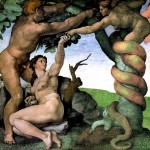 Whereas “Lighthouse” was all about our enlightenment, “Sundown” explored our dark side—temptation. “I can see her lying back in her satin dress in a room where you do what you don’t confess,” sang Gordon Lightfoot in his 1974 hit “Sundown.” The song is all about succumbing to temptation, hence once again revealing the double entendre that the Lost writers are so fond of using in their episode titles. When the sun goes down, man gets tempted by the dark. Why a “satin” dress? Sounds like Satan, don’t it?
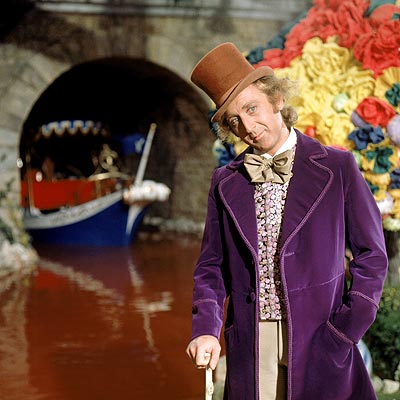
 Lost episode 6.4, “The Substitute,” has so many parallels with Willy Wonka and the Chocolate Factory , I am convinced that the movie can be used to reveal Lost’s endgame. While I’m sure those parallels also exist within the actual Charlie and the Chocolate Factory book, since I am more familiar with the 1971 Gene Wilder movie (having seen it dozens of times), I will make my comparisons there. Sure, this may turn out to be nothing more than stuff and nonsense, but in the words of Wonka, “a little nonsense now and then is relished by the wisest men.” So, let’s get to it because we have so much time and so little to do. Strike that…reverse it.
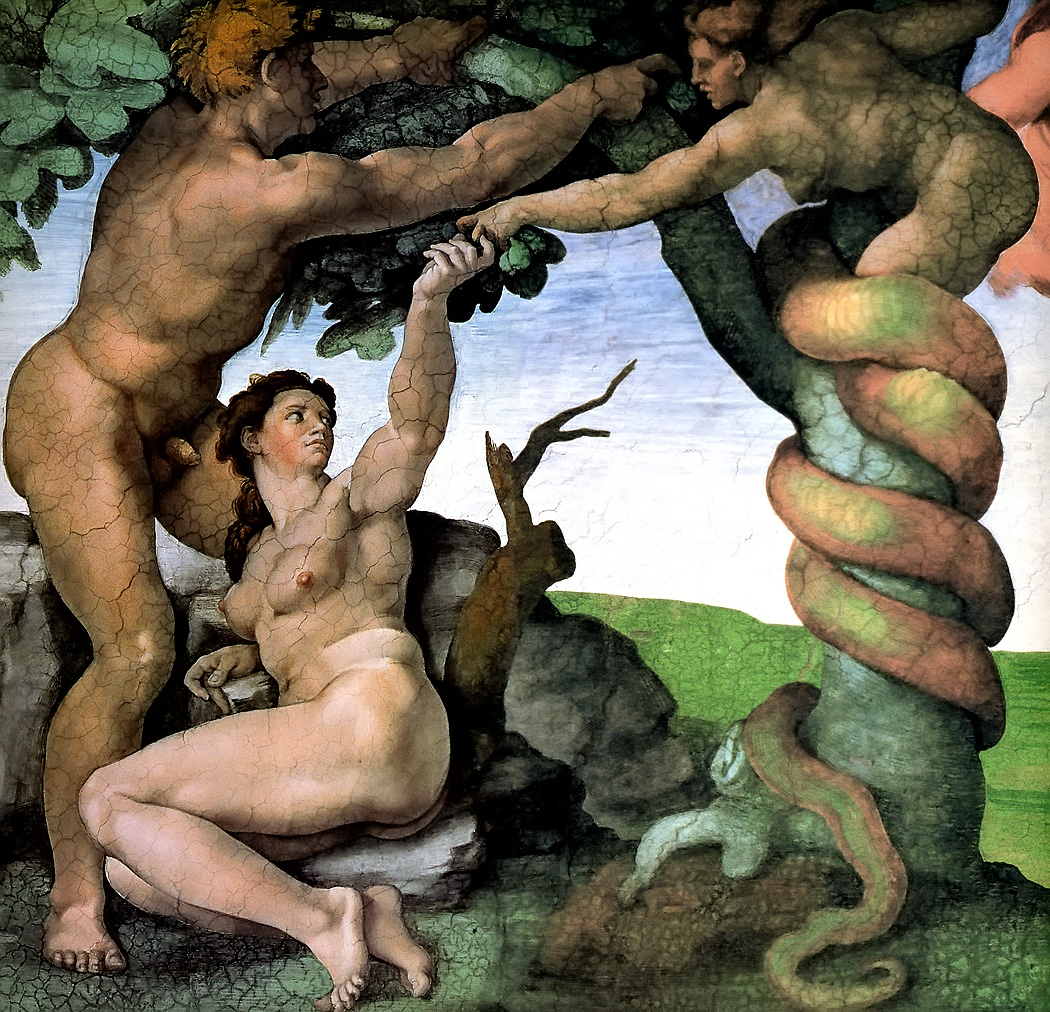
Right from the start of Lost’s fifth season premiere, “Because You Left,” we learn that the island is officially capable of moving through time and space. Time travel has been a theme of Lost since at least Desmond’s mind-flashes during season three, and perhaps as far back as the “Adam and Eve” skeletons of season one. Now however, it has been unequivocally confirmed as a very real, functioning principle within the show’s mythology. Or, has it?
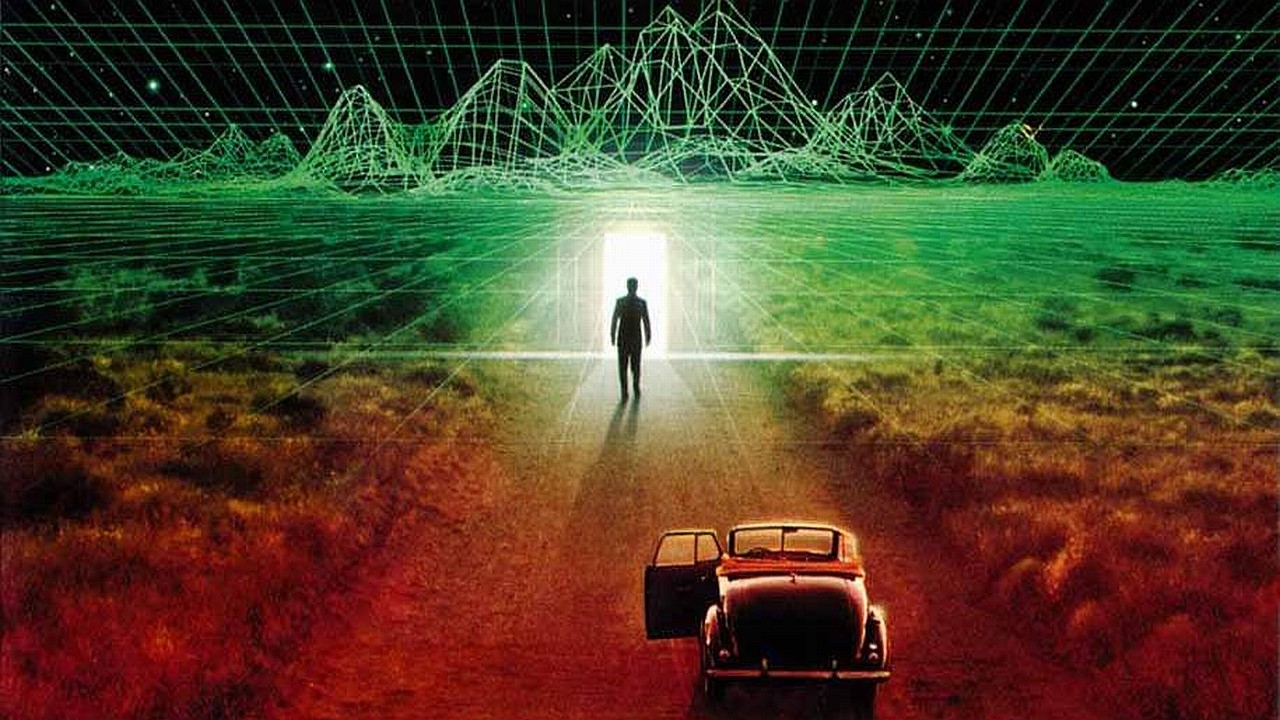 Back in June 2009, I wrote an article titled “Proof That We’re Living a Life of Illusion.” In it, I provided what I felt was overwhelming evidence that we all live in some kind of computer simulation. I also offered some simple explanations as to why I thought we did. At the time, the people who are open to believing in such fantastical theories excitedly agreed with the premise, while those who rely on hard-core scientific proof, did not. Well, a funny thing’s happened in the years since I wrote that article. Scientists are beginning to see the evidence that the non-believers require. The question now is, whether those skeptics will decide to take the blue pill or the red pill?